Why Do My Lights Flicker or Dim When I Turn Something On?
It’s incredibly annoying to settle in for a relaxing evening, maybe reading a book or trying to help your child with homework, and the lights start flickering in and out. The unexpected and unwanted light show can crank up your headache and make it impossible to focus.
While this is certainly a major inconvenience, it’s also a sign of underlying electrical issues that need prompt attention. In order to protect your home and your loved ones, familiarize yourself with the most common reasons lights flicker or dim, especially when you turn something else on.
Top Reasons Lights Flicker or Dim
A Loose Light Bulb or Fixture
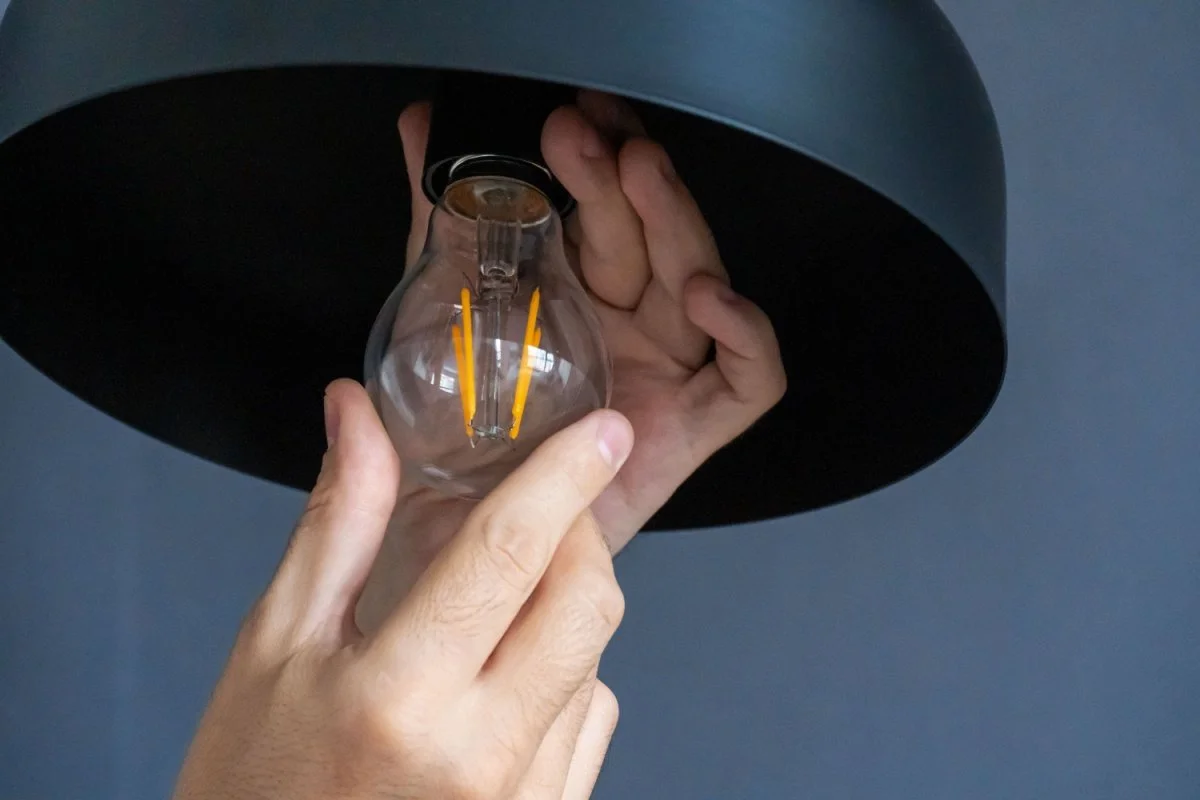
Did you or someone in your house recently replace a light bulb in the fixture that is now flickering? One of the simplest reasons lights begin to flicker is because of a loose light bulb. The solution here is straightforward: Turn off the light and check that the bulb is screwed in tightly.
If the flickering persists, try replacing the bulb with a new one. Sometimes, an old or incompatible bulb can cause flickering, especially if it’s mismatched with the fixture’s wattage requirements. If this doesn’t resolve the issue, the problem may lie deeper within the fixture or wiring. For example, the old or frequently used fixture may have a worn socket that causes the bulbs to be loose no matter what. In this case, you will need to do more than just tighten or replace the light bulb.
Defective Light Fixtures
Over time, light fixtures can degrade, particularly in damp environments or if they’re exposed to dust and debris. A defective fixture may struggle to maintain a steady current, resulting in flickering lights.
If you have an older fixture or suspect that the flickering is limited to a single light source, consider a light fixture replacement as a potential solution.
A Faulty Light Switch
Have you noticed that your lights only flicker when you flip a particular switch? The issue may be with the switch itself. Over time, light switches can wear out or develop loose connections, particularly if they’re used frequently. In this case, replacing the switch could solve the flickering.
An Outdated Dimmer Switch
If you’re using LED bulbs with an older dimmer that isn’t LED-compatible, you may notice flickering because the switch is not designed to control the low voltage of LEDs. Upgrading to a dimmer compatible with LED lights can be a simple fix for flickering caused by incompatible dimming technology.
Electrical Load Issues
If your lights flicker whenever you turn on a high-powered appliance, such as an air conditioner, washing machine, or microwave, the problem may be due to an electrical load issue. Large appliances draw a substantial amount of power when they start up, which can create a temporary drop in voltage for other devices and cause lights to flicker.
While occasional dimming is usually harmless, frequent or severe flickering caused by power surges might indicate an overloaded circuit. You could consider redistributing appliances across different circuits to reduce the load on a single line. It’s best to contact a professional electrician to evaluate your home’s electrical system and provide expert electrical panel upgrades to ensure your home’s electrical load is well-balanced and safe.
Poor Connections in the Electrical Panel
Another common but often overlooked reason for flickering lights is a loose connection in the electrical panel. The breaker box is essentially the heart of your home’s electrical system, and loose connections here can create inconsistent power distribution, leading to flickering lights or, in severe cases, power loss.
An experienced electrician can check your electrical panel for any loose or worn connections. If necessary, Go Electric provides emergency electrical services to address these issues promptly, ensuring your home’s electrical system remains safe and efficient.
Loose or Worn Wiring
Loose or worn wiring is one of the most serious reasons lights flicker and can even pose a fire hazard if left unchecked. Over time, wires may become loose due to natural wear, damage, or improper installation. If you suspect loose wiring, it’s crucial to call a licensed electrician immediately. Tinkering with electrical wiring can be dangerous without proper knowledge, so it’s best to have a professional inspect your wiring. If needed, Go Electric can provide rewiring services in Minneapolis, MN.
An Outdated Electrical System
Older homes often have outdated electrical systems that may not meet today’s demands. For example, homes built before the 1960s may still have knob-and-tube or aluminum wiring, which can be more susceptible to issues, such as flickering lights or even electrical fires, as they age.
Upgrading your electrical system or rewiring parts of your home can help alleviate these issues. Although it may require an initial investment, an upgraded system will improve safety and efficiency, helping prevent flickering lights and other common electrical problems. Go Electric can assess your home’s wiring and recommend solutions tailored to your needs.
When Should You Call a Licensed Electrician for Flickering Lights?
While a tiny blip in your lighting might not be a cause for panic, there are several red flag symptoms that indicate your home’s safety is at risk. You should contact a licensed electrician immediately if you experience:
Frequent or Worsening Flickering: If the problem was once rare but is now happening daily, your electrical components are likely deteriorating.
Buzzing Sounds From Fixtures or Panels: Electricity should flow quietly. If you hear buzzing, humming, or crackling sounds coming from light fixtures, outlets, or your electrical panel, it’s a sign of active arcing, which can lead to house fires.
Burning Smells or Discoloration: A burning odor or signs of discoloration around outlets, switches, or fixtures should always be taken seriously. These symptoms may indicate overheating wires or damaged components.
Circuit Breakers Tripping Frequently: Circuit breakers are designed to protect your home by shutting off power when a circuit becomes overloaded or unsafe. If your breakers trip frequently, especially when lights also flicker or dim, it’s a clear sign that something isn’t functioning properly.
Solve the Mystery Behind Your Flickering Lights With Go Electric
Are you ready to get to the bottom of why your lights are flickering? Reach out to the experts at Go Electric, LLC. Our team provides comprehensive electrical repairs in Central Minnesota, including Minneapolis, and can help with replacing light fixtures, rewiring, and upgrading electrical panels to stop the headache of flickering lights. Contact us today to get your home’s electrical system in top condition.
Frequently Asked Questions About Flickering or Dimming Lights
Why do my lights dim when I turn on an appliance?
It’s common for lights to flicker slightly when a large appliance, like an air conditioner, refrigerator, or microwave, turns on. These appliances require a surge of power during startup, which can temporarily reduce the voltage available to other fixtures on the same circuit.
Of course, if the flickering becomes severe, you will want to have your system inspected for an overloaded circuit.
Is it dangerous if my lights flicker occasionally?
Occasional flickering isn’t always dangerous, especially if it happens when a large appliance turns on.
However, consistent or unexplained flickering can signal more serious problems, such as loose wiring, faulty connections, or voltage instability. If flickering happens often or worsens over time, it’s best to have it inspected by a licensed electrician.
Why do my lights flicker in just one room?
If flickering is isolated to a single room, the issue is likely within that circuit. Common causes include loose wiring, a faulty light fixture, or a problem with the outlet or switch. In some cases, it could also be due to a circuit nearing its capacity. A professional inspection can help pinpoint the exact cause.
Can LED bulbs cause flickering?
Yes, LED bulbs can sometimes flicker, especially if they’re incompatible with your dimmer switch or if the fixture isn’t designed for LEDs.
Why do my lights flicker during storms or bad weather?
Storms and severe weather can affect your home’s power supply, especially if there are issues with the utility lines or service connections. High winds, lightning, or heavy snow can impact the stability of incoming electricity, leading to flickering or dimming lights. If the issue persists after the weather clears, it’s worth having your system checked.
Why do my lights get brighter instead of dimmer sometimes?
Lights that become unusually bright can still indicate voltage fluctuations or an issue with your electrical system’s regulation. This is often more concerning than dimming, as excessive voltage can damage bulbs, appliances, and electronics. If you notice lights brightening unexpectedly, you should contact a professional promptly.