Common Types of Electrical Wiring for Homes
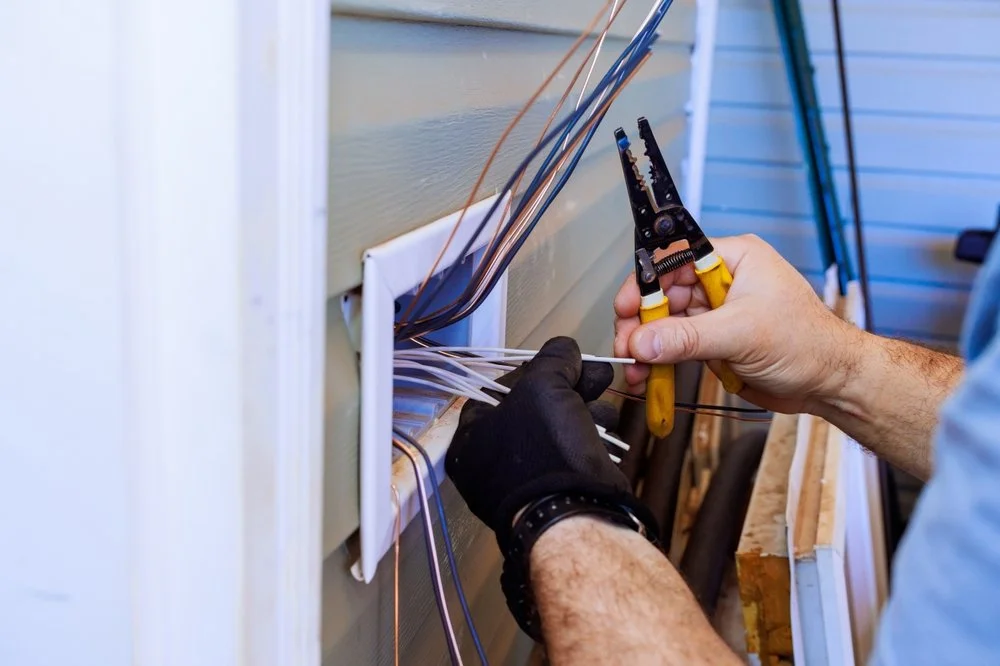
From powering your appliances and HVAC system to charging your devices and keeping the lights on during long Minnesota winters, your electrical wiring system works behind the scenes every single day. But when wiring becomes outdated or damaged, it can quickly turn into a serious hazard.
Outdated electrical systems significantly increase the risk of electrical fires, power failures, overloaded circuits, and shock hazards. This is especially important for homeowners in Minneapolis to know, since many houses were built decades ago and may still contain older wiring methods that no longer meet modern safety standards.
Below, we’ll explore the most common types of electrical wiring found in homes, so that you can determine whether your system is safe or in need of an upgrade.
Knob-and-Tube Wiring
Knob-and-tube wiring is one of the oldest types of electrical wiring used in residential homes. It was commonly installed from the late 1800s through the 1940s. The system uses ceramic knobs to secure wires to framing members and ceramic tubes to guide wires through wood studs and joists.
Unlike modern wiring, knob-and-tube systems do not include a ground wire, which is a major safety feature in today’s electrical systems.
How to Identify It
You may have knob-and-tube wiring if:
Your home was built before 1950.
You see white ceramic knobs or tubes in unfinished basements or attics.
You notice two separate insulated wires running through the framing without being bundled together.
Is Knob-and-Tube Wiring Dangerous?
Yes, it can be. While knob-and-tube wiring was considered safe when originally installed, it is not designed to handle today’s electrical demands. Modern households use significantly more power for appliances, electronics, and HVAC systems than homes did 80 years ago.
Key concerns include:
No grounding protection
Deteriorating insulation
Increased risk of overheating
Difficulty obtaining homeowner’s insurance
If your Minneapolis home still contains knob-and-tube wiring, it’s wise to schedule a professional inspection to determine whether whole-house rewiring is necessary.
Aluminum Wiring
Aluminum wiring was commonly installed in homes between the mid-1960s and late 1970s as a cost-effective alternative to copper. At the time, copper prices were high, and aluminum seemed like a practical solution.
How to Identify It
Signs you may have aluminum wiring include:
Your home was built or renovated between 1965 and 1975.
Electrical panel labels indicate aluminum branch wiring.
The wiring jacket is marked “AL” or “ALUMINUM.”
Is Aluminum Wiring Dangerous?
Aluminum wiring can present safety risks if not properly maintained. Over time, aluminum expands and contracts more than copper, which can cause connections to loosen. Loose connections may lead to overheating, arcing, and potential fire hazards.
That doesn’t mean every home with aluminum wiring must be fully rewired. In some cases, licensed electricians can install approved connectors or retrofit solutions to reduce risks. However, a professional evaluation is essential to ensure your system is safe and compliant with current electrical codes.
Non-Metallic (NM) Cable
Non-metallic cable, often referred to as NM cable, became popular in the mid-20th century. It consists of two or more insulated wires wrapped in a plastic sheathing. Early versions did not always include a ground wire, while newer versions do.
How to Identify It
NM cable typically:
Has a flexible plastic outer jacket (often white, yellow, or orange in newer versions).
Is visible in unfinished basements or utility areas.
Contains bundled insulated wires inside a protective sheath.
Are NM Cables a Safety Concern?
Modern NM cable with grounding is considered safe when properly installed. However, older NM cable without grounding can pose similar risks to knob-and-tube systems, particularly when connected to three-prong outlets without proper grounding.
If your Minneapolis home has early-generation NM cable, an inspection can determine whether it meets today’s safety standards or requires upgrades.
Modern Romex Wiring
Romex is a brand name often used to describe modern NM cable. Today’s Romex wiring includes:
Hot wires
Neutral wires
A dedicated ground wire
Durable plastic sheathing
It has been the standard for residential construction for many years.
How to Identify It
Modern Romex:
Has color-coded sheathing (white for 15-amp circuits, yellow for 20-amp circuits, etc.).
Contains a bare copper ground wire.
Is typically installed in homes built or renovated within the past few decades.
Is Romex Wiring a Safety Concern?
When properly installed and not damaged, modern Romex wiring is safe and reliable. However, problems can still occur due to improper DIY work, overloaded circuits, or physical damage.
Even newer wiring systems should be inspected if you experience electrical issues.
Armored Cable (BX)
Armored cable, commonly called BX cable, features insulated wires enclosed in a flexible metal sheath. It was widely used from the early 1900s through the 1970s and is still used in certain applications today.
The metal armor provides mechanical protection and, in some cases, grounding.
How to Identify It
BX cable:
Has a spiral metal outer casing.
Is typically found in older homes or commercial buildings.
May appear in basements, behind walls, or near electrical panels.
Is Armored Cable a Safety Concern?
Older BX cable may lack a proper bonding strip or ground wire, reducing its safety compared to modern standards. Additionally, over time, the insulation inside the metal sheath can become brittle or deteriorate.
While BX cable is generally safer than knob-and-tube wiring, it should still be evaluated if your home is several decades old. An electrician can determine whether the system is functioning properly or needs updating.
Warning Signs Your Home’s Wiring May Be Outdated or Unsafe
Regardless of the type of electrical wiring in your home, certain warning signs indicate potential problems:
Frequent circuit breaker trips
Flickering or dimming lights
Burning smells near outlets or panels
Warm or discolored outlets and switches
Buzzing sounds from electrical fixtures
Two-prong outlets throughout the home
Lack of GFCI or AFCI protection in required areas
Older Minneapolis homes may also have undersized electrical panels that struggle to meet modern power demands. In some cases, upgrading the wiring may also require an electrical panel upgrade to safely distribute electricity throughout the house.
If you notice any of these issues, don’t ignore them. Electrical problems rarely resolve themselves, and they can quickly escalate into serious safety hazards.
When to Call a Licensed Electrician
You should contact a licensed electrician if:
Your home was built before 1980 and has never been rewired.
You suspect knob-and-tube or aluminum wiring.
You’re planning a major renovation.
You’re adding high-demand appliances or EV chargers.
You’ve experienced unexplained electrical issues.
A licensed electrician in Minneapolis, MN, can evaluate your home’s wiring, recommend necessary upgrades, and ensure everything meets current local and national electrical codes.
Protect Your Minneapolis Home With Professional Electrical Services
If you’re unsure about the condition of your wiring or suspect a potential issue, it’s best to trust a professional electrician in Minneapolis, MN. Go Electric provides comprehensive electrical inspections, rewiring services, panel upgrades, and emergency electrical repairs throughout the region to help make homes safer and more code-compliant.
Contact our team today to schedule a professional evaluation and ensure your home has the right type of electrical wiring.