Top Reasons an Outlet Isn’t Working
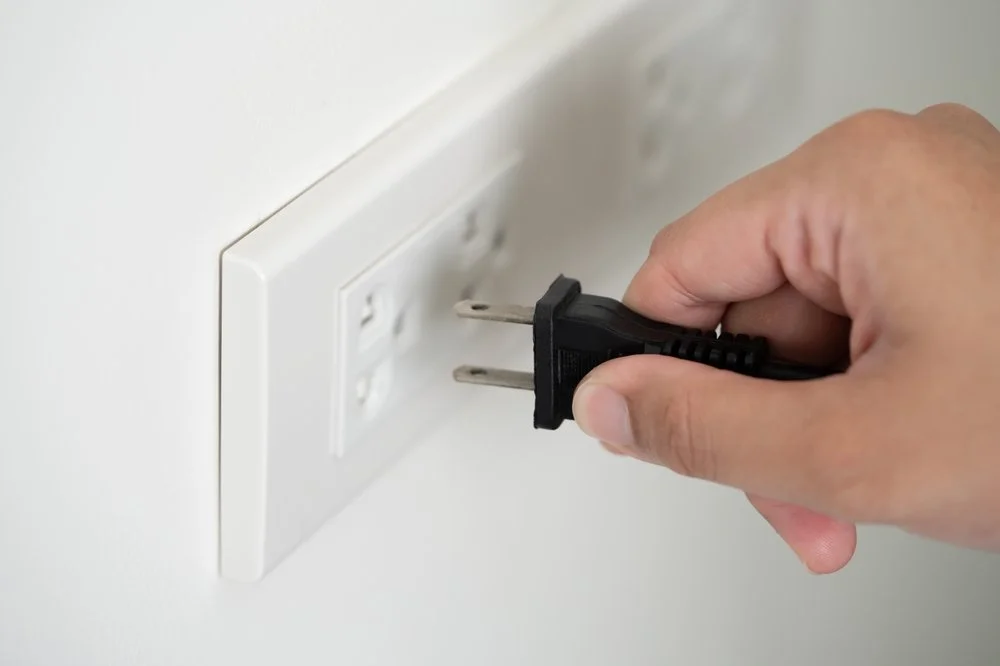
Few things are more frustrating than plugging something in and realizing the outlet doesn’t work. Whether it’s your coffee maker refusing to turn on, a phone that won’t charge, or a lamp that suddenly goes dark, a non-working electrical outlet can disrupt your day in an instant. Beyond the inconvenience, a dead outlet often raises bigger questions about safety, especially if you’re not sure what caused the problem.
While a single outlet not working might seem like a minor issue, it can actually be a sign of a larger electrical problem involving wiring, circuit breakers, protective devices, or aging components. Identifying the root cause early can help prevent electrical shocks, appliance damage, and even fire hazards. As a homeowner, understanding the most common reasons an outlet stops working can help you know when it’s time to call a professional electrician and avoid costly repairs down the road.
Below, we’ll break down the most common reasons an outlet isn’t working and why professional diagnosis is often the safest and smartest solution.
A Tripped Circuit Breaker or Blown Fuse
One of the most common reasons an outlet stops working is a tripped circuit breaker or blown fuse. Circuit breakers are designed to shut off power when a circuit becomes overloaded or experiences a fault. This safety feature helps protect your wiring and reduces the risk of electrical fires.
How It Happens:
Plugging in too many devices on the same circuit, using high-powered appliances, or experiencing a power surge can cause the breaker to trip. In older homes with fuse panels, a fuse may blow instead.
Warning Signs:
One or more outlets suddenly stop working
Other outlets or lights in the same area are also out
A breaker is visibly switched to the “off” or middle position
Why Professional Help Matters:
While resetting a breaker is simple, repeated tripping is a red flag. It may indicate overloaded circuits, damaged wiring, or failing breakers that require professional evaluation to ensure your system is safe and up to code.
Faulty or Loose Wiring Behind the Outlet
Loose or damaged wiring behind an outlet is another common (and potentially dangerous) cause of outlet failure. Over time, wiring connections can loosen due to normal wear, vibration, or improper installation.
How It Happens:
Wires may become loose if the outlet was installed incorrectly, if push-in connections were used instead of secure terminals, or if the wiring has degraded due to age or heat.
Warning Signs:
Outlet works intermittently
Crackling or buzzing sounds
Warm outlet cover or discoloration
A faint burning smell
Why Professional Help Matters:
Loose wiring increases the risk of arcing, overheating, and electrical fires. Attempting to fix wiring without proper training can lead to serious injury or code violations. A licensed electrician can safely inspect and repair the wiring.
A Worn-Out or Damaged Electrical Outlet
Like any mechanical component, electrical outlets wear out over time. Years of plugging and unplugging devices can loosen internal contacts, reducing the outlet’s ability to deliver power reliably.
How It Happens:
Outlets can wear down from frequent use, physical damage, or exposure to heat. Older outlets may also lack the durability and safety features of modern designs.
Warning Signs:
Plugs fall out easily
Outlet feels loose or unstable
Visible cracks or scorch marks
Devices only work when positioned a certain way
Why Professional Help Matters:
Replacing an outlet may seem straightforward, but improper installation can create serious hazards. A professional electrician ensures the new outlet is installed correctly, grounded properly, and compliant with current electrical codes.
Issues With GFCI or AFCI Protection
Many outlets are protected by GFCI (Ground Fault Circuit Interrupter) or AFCI (Arc Fault Circuit Interrupter) devices. These safety features are designed to shut off power when they detect dangerous conditions.
How It Happens:
A GFCI outlet may trip due to moisture, faulty appliances, or wiring issues. AFCI protection may shut down a circuit if it detects arcing caused by damaged wiring or loose connections.
Warning Signs:
GFCI outlet won’t reset
Multiple outlets stop working at once
Outlet stopped working after rain or humidity changes
Why Professional Help Matters:
GFCI and AFCI issues often indicate underlying electrical problems. Resetting the outlet without diagnosing the cause may leave your home unprotected. An electrician can determine whether the device, wiring, or circuit needs repair.
Problems Within the Electrical Panel or Circuit
Sometimes, the outlet itself isn’t the problem at all. Issues within the electrical panel, breaker, or circuit wiring can cut power to outlets throughout your home.
How It Happens:
A failing breaker, corroded panel components, or damaged circuit wiring can interrupt power flow. Older electrical panels may also struggle to support modern electrical demands.
Warning Signs:
Multiple outlets not working in different rooms
Breakers that won’t stay reset
Flickering lights throughout the home
Warm or noisy electrical panel
Why Professional Help Matters:
Electrical panel issues can be complex and dangerous. A licensed electrician can safely inspect the panel, identify failing components, and recommend circuit breaker repairs or electrical panel upgrades that restore reliable power.
Why You Should Avoid DIY Electrical Repairs
While it’s tempting to troubleshoot electrical problems yourself, DIY electrical work can be extremely risky. Even small mistakes can result in electrical shocks, fires, or damage that violates local building codes. Without proper tools and training, it’s easy to misdiagnose the issue and make the problem worse.
Professional electricians are trained to identify hidden hazards, ensure repairs meet safety standards, and protect both your home and your family.
Trust Go Electric for Professional Electrical Troubleshooting
When an outlet stops working, you need a clear, accurate diagnosis from a professional you can trust. Go Electric was founded by Master Electrician Adam Gruber to provide homeowners throughout Central Minnesota with safe, reliable, and high-quality electrical services.
Our team takes the time to explain what’s happening behind the walls and recommend solutions that prioritize safety and long-term performance. Whether the issue involves wiring, breakers, protective devices, or outdated components, Go Electric approaches every job with professionalism and care.
If you’re dealing with a non-working outlet or other electrical concerns, don’t take chances with your home’s safety. Contact our team today to schedule professional electrical repair and get your power (and peace of mind) restored.